In Updates
Why I’m Rebuilding My Site (Again)
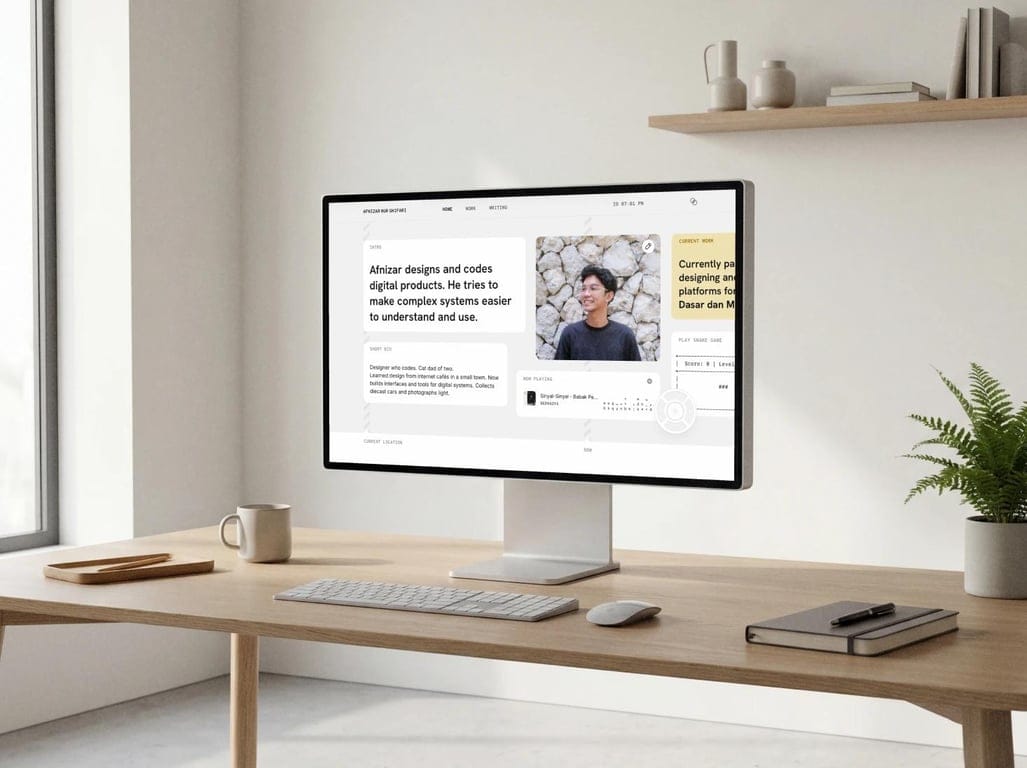
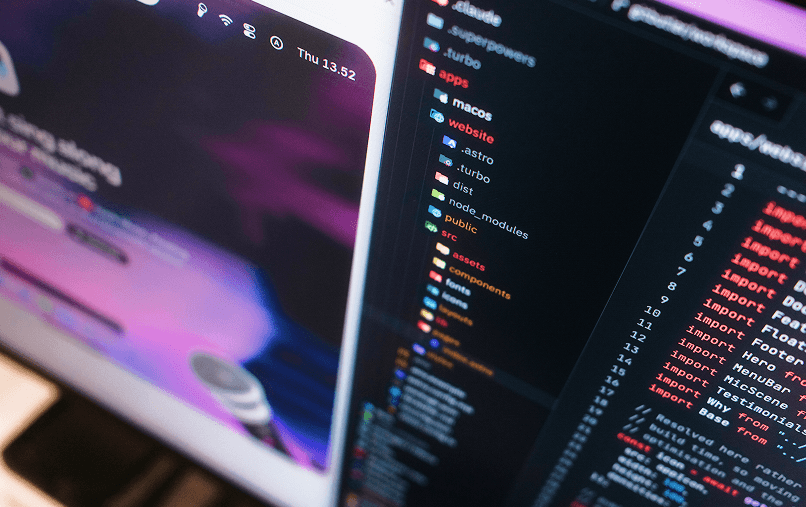
If you scroll down to the footer of my site and see the version dropdown or timeline, that’s my little tradition. Every year, I tear down my personal site from the ground up—from designing in Figma, handwriting the code, and deploying it to production.
2026 feels very different from other years. AI is approaching us so fast, and suddenly I have extra hands and extra eyes to build things I never imagined before.
I still remember the first time I asked AI to help me build a complex figma plugin. It gave me a working structure in seconds—something that would usually take me hours of trial and error. I just sat there and stared at the screen.
It felt like cheating.
But also… it felt like unlocking a new level.
Robots give you an extra magic wand to build things
In the past, we didn’t really know how things were built on the web without proper knowledge and time to learn the technology. Even for someone with a computer science background, and working day to day in design, building things in code takes a lot of time. I would spend hours fighting JavaScript or CSS, or trying to figure out how to wire up some interaction I wanted.
Now? We just talk to AI and it guides us through the parts we don’t know.
The struggle of coding is not really the main hurdle anymore. And that changes everything. AI didn’t replace skill. It amplified taste.
Now everyone can build. But not everyone can decide what’s worth building.
Since we can build almost anything, clarity becomes more important than capability. It moved from “How do I do this?” to “Is this actually good? Does it catch the eye? Does it really look like me?”
And honestly, that shift feels exciting but also heavier.
Before, if something didn’t work, I could blame technical limits.
Now, if something feels off, it’s probably my decision.
That’s a different kind of responsibility.
A zig zag process
Keeping the tradition
Designers have different processes. Some design directly in code. Some design first, then code. I am the latter. Exploring visuals is what I really love. I always start in Figma, playing with visuals and moodboards first.
Sometimes I zig zag between design and code. I design something. Then I try to build it. Then I go back to design because something doesn’t feel right. Then back to code again.
It’s messy. But it’s my way.
The design language of this site revolves around:
Minimalism
Modernism
Programming vibes
A bit of brutalism
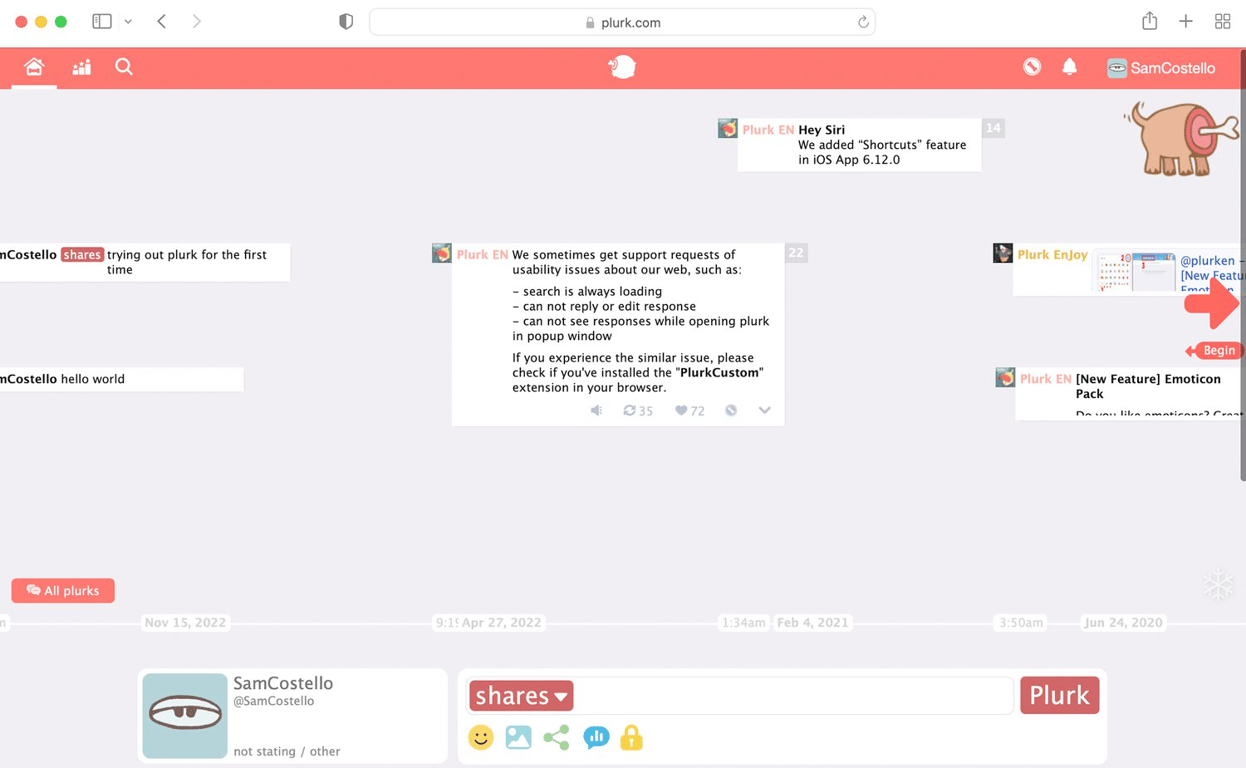
I noticed the “stripe” element appearing in many places— it became the anchor of the style. This style clicked for me when I remembered how Plurk worked. Plurk was a social media platform popular around 2012 (I think?). Its signature was the horizontal scrolling timeline. It felt playful and different. I still remember how fun it was to interact with it back then.
That horizontal movement stuck in my head for years.
I tried to bring a bit of that feeling back—not copying Plurk, but borrowing the spirit of it.
Inspirations
Huge inspiration also came from portfolios I really admire:
- Gio Pandone
- Jude Ejike
- Yevhen Yurchuk
- Bakers Studio
- Harry Atkins
- Linus Rogge
- Yann-Edern Gillet
- Jakub Krehel
- Michael Watchmaker
- Lorenz Woehr
- Natalie Harris
Looking at their work reminds me that tools change, but taste still shows.
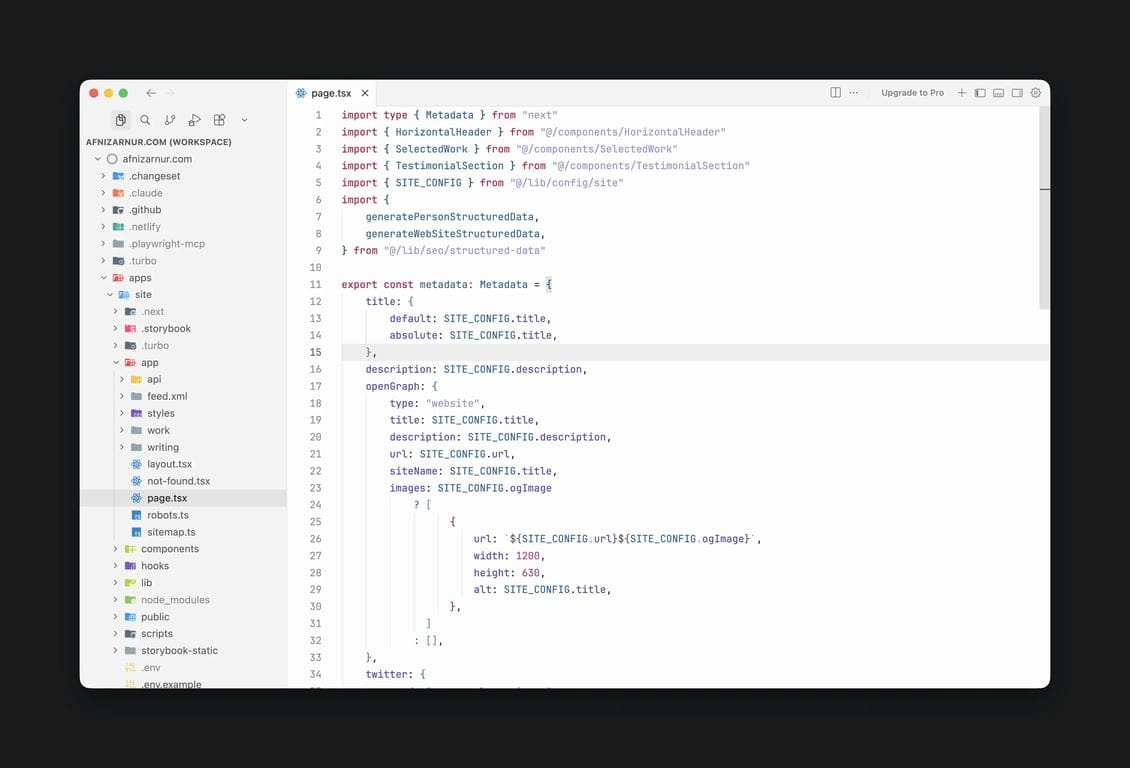
Moving from Astro to Next.js
Last year I used Astro for this site. I still think Astro is amazing. The lighthouse score is almost addictive, and for static sites it’s really hard to beat. But this year I moved back to Next.js.
Not because Next.js is better. I don’t really think in that way anymore. I moved because I want to learn differently. I tried learning Next.js years ago and never really got a strong grasp of it. At that time it felt heavy and confusing. But when I built Natatoko, we used Next.js and I saw how flexible it can be when building something more complex.
This time I’m approaching it with more patience. I want to understand how bigger apps structure their logic, how state flows in more complex interfaces, and how the industry builds things at scale. It’s less about the framework itself, and more about stretching my thinking. I don’t want to stay too comfortable using tools I already understand.
Adding the "Feel" with Motion
Since AI is helping a lot with structure and even some logic, I’ve been spending more time thinking about the feeling of the site. I’ve been experimenting with Framer Motion to make things feel more alive. Not in a flashy way, but in small details—buttons reacting slightly, headers moving smoothly, transitions that feel intentional instead of abrupt.
I don’t want the site to feel static. I want it to feel responsive in a subtle way, like it’s aware of you. That polish is still something AI can’t really decide for you. You can generate layout and code, but the feeling of motion still depends on taste.
I’m still learning. Some animations feel smooth, some feel awkward, and some probably don’t make sense yet. But I enjoy that process. I even enrolled in Emil Kowalski’s animations.dev because I want to understand motion more deeply, especially with the rise of design engineers who bridge design and engineering through animation.
One small thing I’m proud of is the joystick that scrolls the horizontal header. When it finally worked properly, I kept dragging it left and right just to feel it move. It reminded me that building things can still feel playful.
What’s Next?
This site is basically my digital sandbox. It’s where I experiment with ideas that feel too risky for my day job. By the time you read this, it’s probably already live, maybe with a few rough edges or bugs.
And I think that’s fine.
This site isn’t meant to be perfect. It’s meant to capture where I am right now—what I’m curious about, what I’m learning, and how I’m thinking about building in 2026. Maybe next year I’ll look back at this version and cringe a little. But that’s part of the tradition too.
Read next
In Side Project
Building the Singline Waitlist Page
For the past few weeks, I having so much fun tinkering with Singline, a macOS app that shows synchronized lyrics for whatever is playing on Spotify or Apple...
In Thoughts
A Beginner Designer’s Checklist Before Starting a Web3 Project
Web3 is often described as the next generation of the internet: more decentralized, with users having greater control over their own data and digital assets. It...